Seasonal Pest Guide for Hoboken Homes: What to Expect Each Season
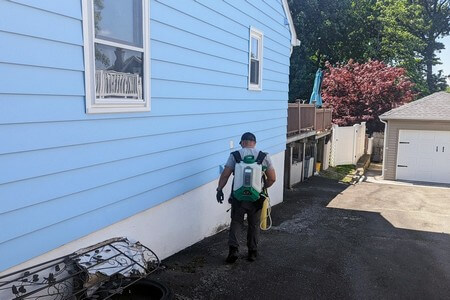
Use this seasonal pest guide for Hoboken to understand how local weather and housing styles shift pest pressure from spring through winter. Hoboken’s riverfront breezes, older brownstones, and busy mixed-use blocks create patterns that repeat each year. Knowing what is normal for each season helps you act early and avoid surprises. When activity starts, the targeted approach behind integrated pest management keeps treatments focused and effective for your home.
Homes near the Hudson River, Pier A Park, and the tree-lined streets around Church Square Park feel more summer-like, while basement apartments off Washington Street may notice rodents in the coldest weeks. AMA Pest & Wildlife Control builds plans around these neighborhood rhythms so you get consistent results without guesswork.
Why Hoboken’s Seasons Change Pest Pressure
Temperature, humidity, and building design drive movement. Ants and termites follow warmth and moisture through slabs and foundations. Waterfront humidity supports mosquitoes and flies in sheltered courtyards. As nights cool in September and October, mice and rats seek stable food and heat in row homes and multifamily buildings. In winter, activity shifts from the yard to wall voids, attics, and utility chases.
Termites often stay hidden, so you may not notice them until winged swarmers appear in spring or fine, sand-like material collects near wood. Summer flying insects build fastest after warm, still days. Rodents can damage wiring and insulation, so winter noises in the walls matter even if you do not see droppings.
Spring: Ants and Termites Wake Up
From late March into May, soil warms and moisture rises. That is the cue for pavement ants and odorous house ants to scout kitchens, garden beds, and foundation cracks. Eastern subterranean termites also send out swarmers on mild, humid days, especially after rain. Older stoops and shared masonry lines in Hoboken’s brownstones create small entry points that can connect several units.
What to expect this season:
- Short trails of small ants along baseboards or exterior steps after warm afternoons
- Termite swarmers near windows or doors on a muggy day, often in the morning
- Increased activity in garden-level apartments after heavy rain
If you notice spring winged insects indoors, act quickly. The colony is already established nearby, and waiting allows for more structural impact over time.
Summer: Mosquitoes and Flies Near the Waterfront
From June through August, heat and humidity push flying insects up. Mosquitoes thrive in shaded courtyards, planters, and protected pockets along the waterfront. River breezes can reduce activity on open blocks, but still, air behind buildings, alleys, and rooftop spaces lets populations spike. House flies and fruit flies often surge around trash storage zones behind mixed-use buildings and along service alleys off Washington Street.
In warm stretches, mosquito activity often peaks from late June through August, especially after clusters of hot days with late thunderstorms. Homes near Stevens Institute and the western edges by Southwest Park may feel it when temperatures stay high at night.
Fall: Mice Seek Warmth Indoors
As nights dip in September and October, mice search for steady warmth and food. Garden-level units, storage areas, and utility rooms become attractive. In attached housing, small gaps in shared walls and under common stairs allow activity to spread across the building line. You may notice light scratching at night, faint odors in pantries, or gnaw marks around stored goods. This is also when outdoor ant pressure fades, so rodent signs stand out more.
Fall is the season to watch for steady, repeating sounds behind the same wall or ceiling area. That pattern often signals a run between a nest site and a food source that needs a targeted plan, not guesswork.
Winter: Rodents Nest Indoors
From December to February, rodents settle inside. Activity moves to wall voids, attics, boiler rooms, and the undersides of stairs. In heavy cold snaps, rats may follow steam and utility pathways between buildings. Winter insect pressure drops outdoors, but can pop up indoors around warm mechanical spaces.
Expect more daytime sightings in very cold weeks as rodents shorten travel paths to stay warm. You might also see fine debris where they tug at insulation. Professional monitoring pinpoints runs, allowing the plan to remove sources and close repeat paths.
Seasonal Pest Guide for Hoboken: Quick Calendar
Use this snapshot to see what usually rises first each season in Hoboken’s climate.
- Spring: ant trails start; termite swarmers appear on mild, humid days
- Summer: mosquitoes and flies increase, strongest after hot, still periods
- Fall: mice activity climbs as nights cool; indoor signs become consistent
- Winter: rodents nest indoors; most insect pressure shifts to warm interiors
For a deeper dive into how plans are built, review how integrated pest management targets sources and monitors results over time. It aligns with the way pests move across our row homes and mixed-use blocks, so treatments stay focused and measurable.
What “Normal” Looks Like in Hoboken Each Season
Every home is unique, but patterns repeat across the city. In spring, expect scouting ants to appear first on sunny sides of buildings. In summer, flying insects build fastest in shaded pockets and trash zones. In the fall, you may not see mice at all, only signs that repeat in the same places. Winter focuses activity inside walls, crawl spaces, and along heating lines.
The value is knowing when each shift is likely, so your plan is in place before it peaks. That is how AMA Pest & Wildlife Control reduces surprises and keeps pressure low all year.
Local Factors That Raise Risk
Several common Hoboken features can raise or lower seasonal pressure. These are not problems by themselves. They just change how pests move and where pressure gathers.
Key factors to consider in our city include:
- Proximity to the Hudson River and parks, which support summer flying insects in sheltered pockets
- Older masonry and shared walls that create hidden travel paths across units
- Ground-level and basement apartments that feel moisture and temperature swings first
- Dense blocks with active service alleys where food waste can boost fly pressure
In a city with tight blocks and shared structures, small openings can quietly connect multiple units. That is why early monitoring matters more here than in wide-lot suburbs.
How AMA Pest & Wildlife Control Plans a Year-Round Program
We built a calendar that follows Hoboken’s cycle. Spring visits focus on locating ant trails and checking for termite signs near slabs and thresholds. Summer service shifts to control flying insects around shaded courtyards and trash zones. Fall monitoring watches known rodent routes and high-risk food storage. Winter focuses on interior runs and nest sites, so activity cannot rebuild.
At each step, technicians document what they find and track changes on return visits. That record guides where to reinforce and when to adjust. The result is a plan that is clear, steady, and built for your block, not a generic checklist.
Neighborhood Notes Across the City
Waterfront blocks near Pier A Park often feel mosquitoes and flies earlier in warm years. Streets around Church Square Park can see more ant scouting in spring as soil warms fast near sun-exposed edges. The western end, by Southwest Park, may see longer summer insect periods if evening temperatures stay high. Buildings near transit and busy corridors sometimes record more fly activity around shared refuse areas.
None of these notes means your home will have a problem. They show where pressure tends to build first, so planning stays one step ahead.
When to Call and What to Expect
If you spot recurring signs, unusual winged insects indoors, or night noises that recur in the same area, it is time to put a professional plan in place. Your scheduler will set a visit at a time that fits your routine. A licensed technician will inspect, confirm the pattern, and outline a clear action plan so you know what will happen and when.
To learn more city-wide patterns and services in one place, start with our seasonal guide for pest control for Hoboken and share any notes you have about where and when you noticed activity. Clear details help the plan focus on the exact sources in your home.
Why Integrated Pest Management Fits Hoboken
Our buildings are connected, and pests use those connections. That makes broad, one-time efforts less effective. Integrated strategies line up with how pests live and move in attached housing, so the plan targets the source, not just what you see. Over time, this reduces reintroductions and lowers overall pressure.
With AMA Pest & Wildlife Control, you get a schedule matched to the city’s seasons, detailed visit notes, and a steady plan that adapts to what is actually happening in your home and on your block.
Ready for the Next Season?
If you want a plan built around Hoboken’s real patterns, schedule with AMA Pest & Wildlife Control today. A quick call to 201-903-5406 connects you with a scheduler who knows the local cycle. Ask about a start date that aligns with the upcoming shift so your home is already covered when activity turns.
For a season-smart plan that follows the city’s calendar, talk with us about integrated pest management and set your first visit in Hoboken. Your technician will confirm the pattern, explain the steps, and keep you updated after each service so you always know what comes next.
A Full Service Pest and Wildlife Solution
Call Our Bergen County Pest and Animal Control Company Today!